Introduction
The digital transformation of the casino industry has ushered in a new era of innovation, where technology plays a central role in shaping player experiences. Gone are the days when casinos relied solely on traditional layouts and basic online interfaces. Today, the industry is embracing cutting-edge solutions to create immersive, interactive, and highly personalized environments.
Players now expect more than just games—they want a complete entertainment experience. This demand has pushed casino operators to invest in advanced technologies that enhance engagement, improve usability, and deliver visually stunning platforms. As a result, the integration of artificial intelligence and 3D design has become a key focus.
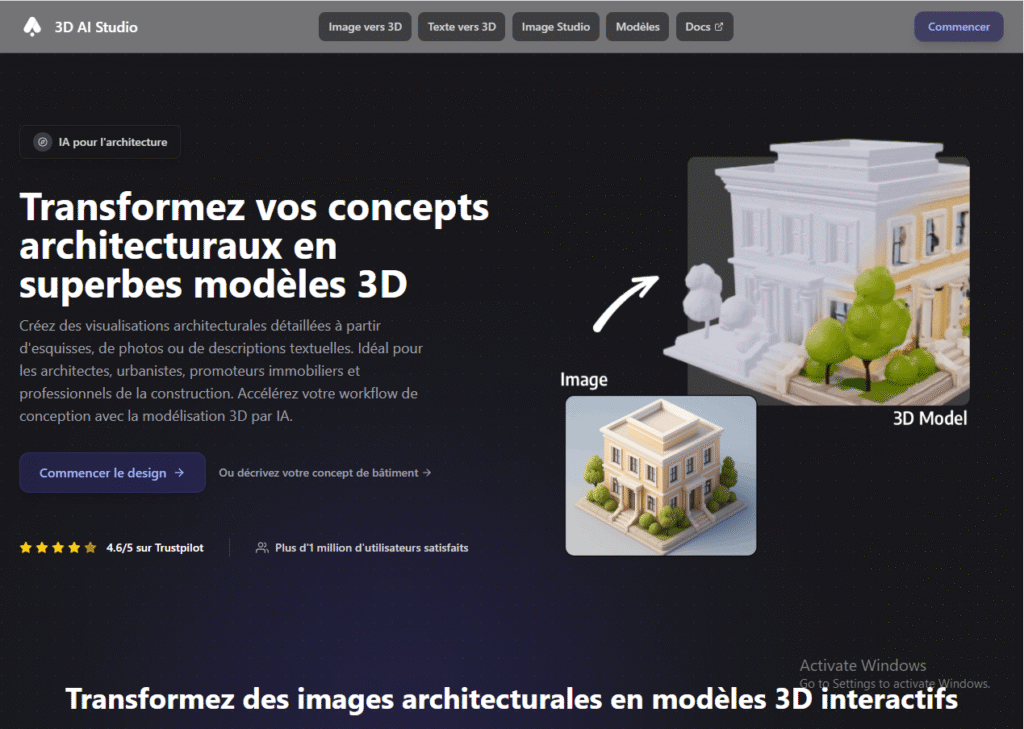
A standout innovation in this space is visualisation 3D IA , which enables developers to design intelligent and immersive casino environments. By combining AI-driven analytics with realistic 3D modeling, casinos can create spaces that are both visually captivating and strategically optimized for player interaction.
The Transformation of Casino Platforms
From Static Interfaces to Interactive Ecosystems
Early digital casinos were simple and functional, offering limited interaction and basic graphics. However, modern platforms have evolved into complex ecosystems that include:
- Interactive game lobbies
- Live streaming features
- Social gaming elements
These advancements have significantly improved user engagement and satisfaction.
The Role of User Expectations
Today’s players demand seamless navigation, high-quality visuals, and personalized experiences. Meeting these expectations requires a combination of innovative design and advanced technology.
3D Technology in Modern Casino Design
Building Immersive Virtual Worlds
3D technology allows developers to create realistic environments where players can:
- Explore virtual casino floors
- Interact with game elements
- Experience lifelike animations
This level of immersion enhances the overall gaming experience.
Flexibility in Design
3D models can be easily updated and customized, allowing casinos to introduce new themes and features without major disruptions.
Cost Efficiency
By identifying design issues early, 3D modeling reduces construction and development costs.
Artificial Intelligence in Casino Operations
Behavioral Analysis
AI systems analyze player behavior to understand preferences and improve game recommendations.
Dynamic Content Delivery
Content can be tailored in real time, ensuring that players always have access to relevant and engaging experiences.
Enhanced Security
AI-powered systems detect fraudulent activities and ensure fair play, building trust among users.
Enhancing Player Engagement
Gamification Elements
Incorporating gamification features such as rewards, achievements, and leaderboards increases player motivation.
Social Interaction
Modern casinos integrate chat features and multiplayer options, fostering a sense of community.
Real-Time Feedback
Instant feedback mechanisms keep players informed and engaged throughout their gaming sessions.
The Role of Virtual and Augmented Reality
Virtual Reality Casinos
VR technology enables players to step into fully immersive environments where they can interact with dealers and other players.
Augmented Reality Enhancements
AR overlays digital elements onto the real world, adding a new dimension to gaming experiences.
Future Possibilities
As these technologies become more accessible, they are expected to revolutionize the casino industry.
User Interface and Experience Design
Simplicity and Accessibility
A well-designed interface ensures that players can easily navigate the platform and access their favorite games.
Visual Consistency
Consistent design elements create a cohesive and professional look.
Performance Optimization
Fast loading times and smooth performance are essential for retaining players.
Economic Impact of Advanced Casino Design
Increased Revenue Streams
Innovative design attracts more players and encourages longer engagement, leading to higher revenue.
Brand Differentiation
Unique and visually appealing platforms help casinos stand out in a crowded market.
Global Reach
Digital platforms enable casinos to reach players worldwide, expanding their customer base.
Challenges in Implementing Advanced Technologies
High Development Costs
Developing AI-driven and 3D-based platforms requires significant investment.
Technical Complexity
Specialized skills are needed to design, implement, and maintain these systems.
Regulatory Compliance
Casinos must adhere to strict regulations, which can vary by region.
Future Trends in Digital Casinos
AI-Driven Personalization
Future platforms will offer highly personalized experiences based on individual player behavior.
Blockchain Integration
Blockchain technology will enhance transparency and security in transactions.
Cross-Platform Integration
Seamless experiences across devices will become a standard feature.
Conclusion
The integration of AI and 3D technology is transforming the casino industry, creating opportunities for innovation and growth. By leveraging these tools, casinos can deliver immersive, engaging, and secure experiences that meet the expectations of modern players.
As the industry continues to evolve, the focus will remain on enhancing user experience and adopting new technologies. IA architecture 3D stands at the forefront of this transformation, enabling casinos to design intelligent environments that captivate and retain players.
The future of digital casinos is bright, with endless possibilities for innovation and expansion. Those who embrace these advancements will lead the industry into a new era of gaming excellence.